Polycystic Ovary Syndrome (PCOS) is one of the most common hormonal conditions affecting women of reproductive age, impacting not just fertility and metabolism but also the skin and hair. Since September is PCOS Awareness Month, it’s the right time to highlight how PCOS influences skin health, why symptoms occur, and what treatment options are available that are both safe and effective.
At Tara Healthcare, Bangalore, our dermatologist Dr. Rutuja Arali, frequently sees women with PCOS-related skin concerns such as acne, pigmentation, and sensitivity, often coupled with emotional distress. Understanding the science behind these changes is the first step toward long-term skin and hormonal health.
How PCOS Affects Skin: The Hormonal Link
The primary driver of PCOS-related skin issues is hormonal imbalance. Women with PCOS often have:
- Elevated androgens (male hormones like testosterone)
- Increased insulin resistance
- Chronic low-grade inflammation
These factors create a ripple effect on skin health.
1. Acne and Breakouts
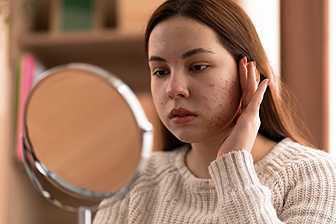
High androgen levels cause sebaceous (oil) glands to overproduce sebum, leading to clogged pores and acne. Unlike teenage acne, PCOS-related acne is often:
- Persistent into adulthood
- Located on the lower face, jawline, chest, and back
- Painful, inflamed, and cystic in nature
2. Pigmentation (Acanthosis Nigricans and PIH)
Insulin resistance triggers dark, velvety patches of pigmentation around the neck, underarms, and groin, known as acanthosis nigricans. Additionally, post-inflammatory hyperpigmentation (PIH) often follows acne lesions, leaving behind stubborn dark spots.
3. Skin Sensitivity and Inflammation
Hormonal fluctuations increase skin sensitivity, making patients prone to redness, irritation, and slower healing. Some women also develop rosacea-like symptoms.
4. Excess Facial Hair and Hair Loss
While not strictly a skin condition, hirsutism (coarse hair growth on the chin, chest, or abdomen) and androgenic alopecia (scalp hair thinning) add to the visible impact PCOS has on appearance and self-esteem.
Safe and Effective Skin Treatments for PCOS
At Tara Healthcare, we emphasize personalized and safe approaches. Since PCOS is a systemic condition, treatments work best when they combine medical management, lifestyle modification, and targeted dermatological interventions.
1. Acne Management
- Topical Retinoids and Benzoyl Peroxide: Help unclog pores and reduce inflammation.
- Oral Medications (if prescribed by a doctor): Hormonal therapies or anti-androgens like spironolactone can regulate androgen-driven acne.
- Clinical Procedures:
- Chemical peels (salicylic or glycolic acid) reduce oiliness and fade marks.
- Laser treatments help with deep scars and stubborn breakouts.
2. Pigmentation Control
- Topical Creams: Niacinamide, azelaic acid, and kojic acid are gentle yet effective.
- Oral Treatments: Supplements like Vitamin D and antioxidants support skin repair.
- Procedures:
- Medifacials designed for pigmentation-prone skin
- Laser toning or microneedling with serums to fade dark patches
3. Skin Sensitivity and Barrier Repair
- Gentle Skincare: Fragrance-free cleansers and ceramide-based moisturizers
- Sun Protection: Daily use of broad-spectrum sunscreen (SPF 30+) is crucial
- Targeted Therapies: Low-level light therapy (LLLT) to calm inflammation
4. Hair-Related Concerns
- For Hirsutism: Laser hair reduction offers long-term relief, especially when combined with hormonal therapy.
- For Hair Loss: PRP (Platelet-Rich Plasma), growth factor concentrates, or medications like minoxidil help restore scalp health.
Lifestyle and Holistic Care for Skin in PCOS
Skin symptoms cannot be managed in isolation from lifestyle and systemic health. Evidence shows that:
- Balanced Diet: Low glycemic index foods help reduce insulin spikes and improve acne.
- Regular Exercise: Improves insulin sensitivity and hormone regulation.
- Stress Management: Stress worsens hormonal imbalance and inflammation. Yoga, mindfulness, and adequate sleep are essential.
At Tara Healthcare, Dr. Rutuja Arali often collaborates with endocrinologists, nutritionists, and gynecologists to create multi-disciplinary care plans that address PCOS skin issues from the root.
PCOS and Mental Health: The Overlooked Factor
The skin changes caused by PCOS can have a significant impact on confidence and emotional well-being. Studies show higher rates of anxiety, depression, and body image concerns among women with PCOS. A compassionate, holistic approach ensures that patients feel supported, not just medically treated.
FAQs on PCOS and Skin Health
1. Can treating PCOS cure acne completely?
Not always. While hormonal regulation improves acne significantly, many women may still need topical or procedural support for complete control.
2. Is laser hair reduction safe for women with PCOS?
Yes, but multiple sessions are required since new hair can keep growing due to hormonal imbalance. Combining treatment with hormonal management gives the best results.
3. Will lifestyle changes alone improve skin issues?
For some women with mild symptoms, yes. But for moderate to severe skin concerns, lifestyle changes need to be supported with medical or dermatological treatments.
4. Can PCOS pigmentation be reversed?
Pigmentation caused by acanthosis nigricans can fade with weight management, insulin control, and targeted treatments, but results take time and require consistency.
5. Should women with PCOS avoid certain skincare products?
Yes — avoid harsh scrubs, high-alcohol toners, and heavy comedogenic creams that can worsen sensitivity and breakouts. A dermatologist can recommend safe alternatives.
Key Takeaways
- PCOS affects the skin through hormonal imbalance, insulin resistance, and inflammation.
- Common issues include persistent acne, pigmentation, sensitivity, and excess hair growth.
- Treatments must be personalized, blending skincare, clinical procedures, and lifestyle modifications.
- Emotional well-being is just as important as physical health in managing PCOS.
- Consulting an experienced dermatologist like Dr. Rutuja Arali at Tara Healthcare ensures safe, evidence-based care tailored to each individual.
During PCOS Awareness Month, it’s important to remember that skin symptoms are not just cosmetic — they are a reflection of deeper hormonal health. With the right care, women can manage these challenges effectively and regain confidence in their skin.
Looking for the best dermatologist in Bangalore for PCOS-related skin and hair treatment? Book a consultation at Tara Healthcare with Dr. Rutuja Arali.
About Dr. Rutuja Arali
Dr. Rutuja Arali is a Dermatologist and Cosmetologist at Tara Healthcare, Bangalore. She holds an MBBS and a DDV in Dermatology & Venereology, with additional training in Aesthetic Medicine from Kosmoderma. Her specialties include PRP therapy, acne scar surgery, chemical peels, microneedling, pigmentation treatments, and laser hair removal. Known for her blend of clinical precision and compassionate care, Dr. Rutuja Arali ensures each treatment plan is tailored for optimal patient outcomes.
Contact Tara Healthcare
📍 Visit Us: No. 681, Ground Floor, 10th A Main Road, 4th Block Jayanagar, Bengaluru – 560011
📞 Call Us: +91 77607 00133
✉️ Email: info@tarahealthcare.com